


Overactive Thyroid
Sweating more and being sensitive to heat are notable symptoms of hyperthyroidism. Your thyroid gland controls your metabolism, so when it makes too much hormone, your body goes into overdrive. Your body temperature rises, and you could be hungrier or thirstier, have a racing pulse or shaking hands, feel tired and out of sorts, get diarrhea, and lose weight.

Low Blood Sugar
Do you have diabetes? While your blood glucose may be OK when you turn in, it can drop while you’re asleep. Maybe you had a very active day, or exercised in the evening, or had a late dinner. If you use insulin or take a sulfonylurea-type drug to manage your diabetes, that may be responsible for your overnight hypoglycemia. When your glucose is lower than 140 mg/dL before bed, or it could fall in a few hours, have a snack.

Sleep Apnea
When you have this condition, you briefly stop breathing over and over during the night. Because your body isn’t getting oxygen, it may slip into “fight or flight” mode, which triggers sweating. Each time it has to kick-start breathing means a burst of work from your muscles, too. People who use a CPAP machine to help them breathe at night have night sweats about as often as those who don’t have sleep apnea.

Acid Reflux
It’s not only the heartburn and chest pain that can wake you up. GERD hasn’t been studied much as a cause of night sweats, but doctors say there’s a possible connection. And treating it can often ease your night sweats. Eat smaller meals, and not before bed. Avoid trigger foods — like those that are fatty, fried, or tomato-based. See your doctor if your symptoms are severe or happen more than a couple of times a week.

Lymphoma
Many cancers can cause night sweats, but the most common is lymphoma, which starts in parts of your body’s immune system, like lymph nodes, the spleen, bone marrow, and the thymus. About a quarter of people with Hodgkin’s lymphoma get night sweats and have a low fever. They may also be tired, itchy, and, after drinking alcohol, hurt where their tumor is. People with aggressive or advanced non-Hodgkin’s lymphoma can get drenching night sweats, too.

Medications
Lots of drugs may cause night sweats, including over-the-counter fever reducers like acetaminophen and NSAIDs such as aspirin and ibuprofen. Older antidepressants, called tricyclics or TCAs, as well as bupropion and venlafaxine, hormone replacement therapy, and steroids like cortisone and prednisone are common suspects. Some medicines for glaucoma and dry mouth also stimulate your sweat glands. Check with your pharmacist or doctor.

Tuberculosis
About half of all people who get this disease have night sweats. The bacteria usually grow in your lungs. You’ll probably have a serious, painful cough with blood and colored gunk (phlegm). You also might feel feverish, tired, and weak, and have no appetite.

Anxiety
Stress, worry, and panic can make you break out in a sweat during the day, so it’s no surprise anxiety can have the same effect at night. Nightmares and sleep terrors are less common in adults than children, but both can leave anyone sweaty and with a pounding heart. Seek help from a counselor, therapist, or your doctor if these disturbances are ongoing or causing problems in your life.

HIV
Fever, sore or swollen lymph nodes, and joint pain are more common symptoms after you first get the virus and become HIV-positive, but about 1 in 10 people get night sweats. People living with HIV who have symptoms like weight loss and diarrhea may get night sweats once a week or so. AIDS-related opportunistic infections like mycobacterium avium (MAC, MAI) and cytomegalovirus can cause them, too.
Tumors
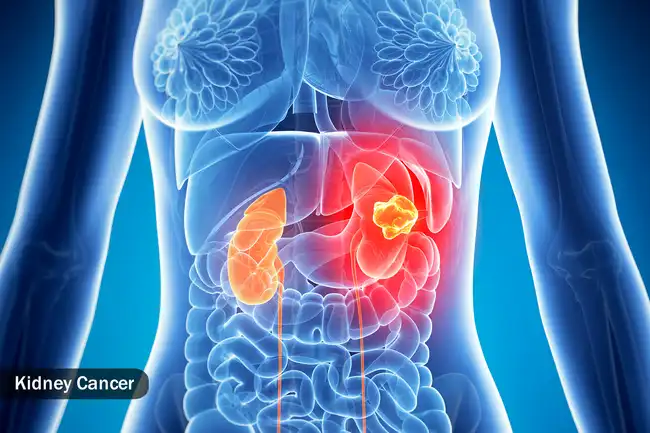
Prostate cancer, kidney cancer, and some tumors in the ovaries and testicles (both cancerous and not) are common examples of what doctors call “solid tumors” that can cause night sweats. A type of advanced thyroid cancer and cancer in your pancreas could also set them off. Night sweats are a classic symptom of carcinoid syndrome, the effect of a rare cancer usually found in your digestive system or lungs.

Menopause
“Hot flashes” before and after your final period can be hard to distinguish from night sweats. Younger women who’ve had both ovaries removed or who stopped menstruating because of chemo can also get them. They’re more likely to happen when you’re anxious, depressed, or have a drink every day. But just because you’re a woman of the right age (typically, in your late 40s or 50s), don’t assume your night sweats are menopause-related.

Infection
A recent bacterial infection could trigger night sweats, often with a fever. For example, you could get brucellosis from raw milk or unpasteurized cheese, or if you handle animals or animal products. Other common bacterial infections are endocarditis (the inner lining of your heart), osteomyelitis (bone), and a pocket of pus in your liver called a pyogenic abscess.

Pheochromocytoma
This rare tumor that grows in the adrenal glands usually isn’t cancerous, but it can cause your body to make too many hormones, which raise your blood pressure and cause night sweats, headache, and a racing pulse. Most people with a pheochromocytoma are between 20 and 50. You’re more likely to have it if you have a hard time controlling your high blood pressure or have family members who’ve had one or a related genetic disorder.

Find Relief
A lower temperature in the bedroom and fans to circulate the air may make you more comfortable. Use moisture-wicking quick-dry sheets and PJs. Avoid synthetic fabrics that don’t breathe. If you can’t figure out what’s causing your night sweats, keep a diary to share with your doctor. Ideally, you’ll be able to treat the cause and not just the symptom.