
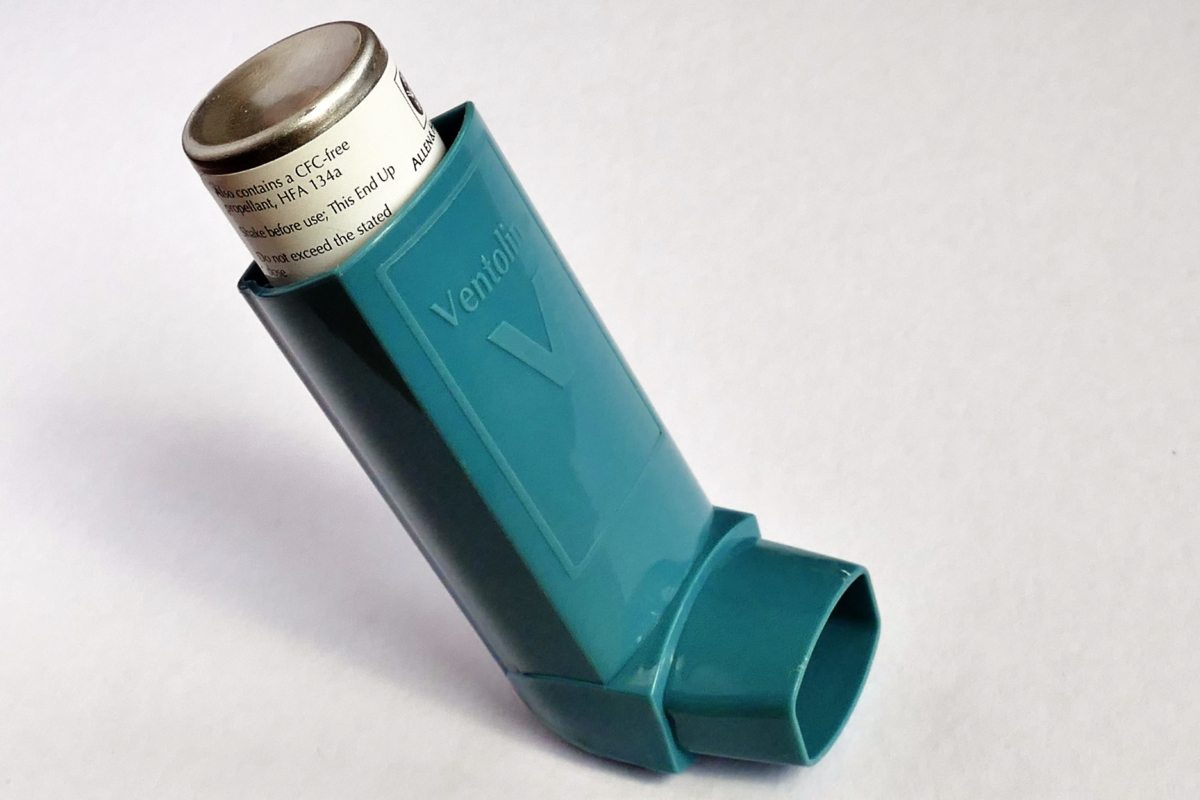
In the last few decades, Indoor Air Quality (IAQ) has received increasing attention from the international scientific community, political institutions, and environmental governances for improving the comfort, health, and wellbeing of building occupants. Several studies on this topic have shown both qualitative and quantitative IAQ variations through the years, underlining an increase in pollutants and their levels. To this aim, IAQ-related standards and regulations, policies for non-industrial buildings, and monitoring plans have been developed in several countries. It has been estimated that people spend about 90% of their time in both private and public indoor environments, such as homes, gyms, schools, work places, transportation vehicles, etc.; thus, IAQ has a significant impact on health and quality of life in general. For many people, the health risks from exposure to indoor air pollution may be greater than those related to outdoor pollution. In particular, poor indoor air quality can be harmful to vulnerable groups such as children, young adults, the elderly, or those suffering chronic respiratory and/or cardiovascular diseases.
 Read more…
The post Indoor Air Quality and Health appeared first on Healthier Environment Living Program.