
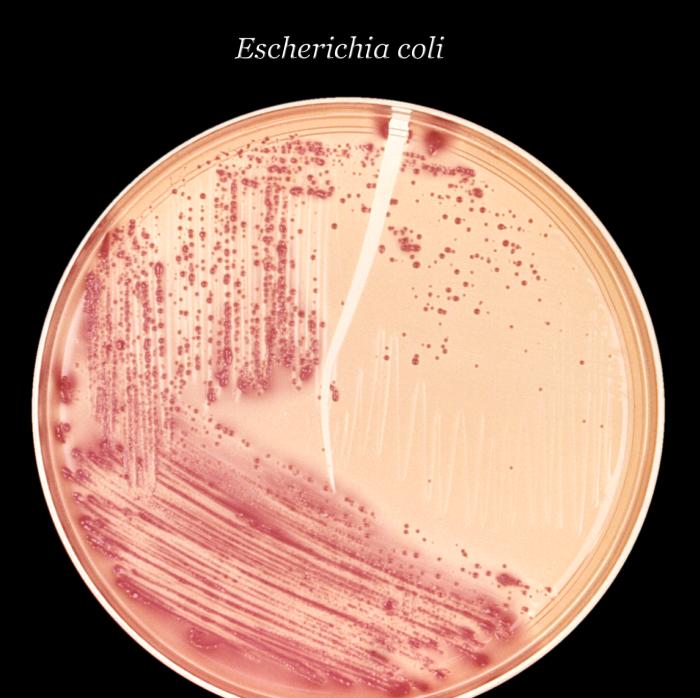
Scientists have looked at the infection process of E. coli to try and develop ways to interfere with it.
Illness-causing E. coli bacteria launch infections by inducing intestinal cells to form tiny structures, called pedestals, which anchor the pathogens in place and help colonies grow.
Experiments on enteropathogenic and enterohemorrhagic E. coli (EPEC and EHEC) showed that when the pathogens were prevented from injecting a protein called EspG into intestinal hosts, the hosts were slower and less effective in producing pedestals that fixed the bacteria in place.
EPEC and EHEC inject effector proteins that manipulate host cell signaling cascades to trigger pedestal assembly. Deleting espG significantly impairs pedestal formation and attachment by EPEC and EHEC, according to the study published in mBio.
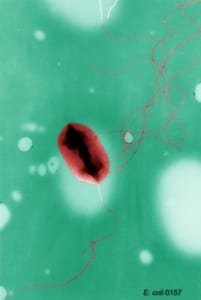
Credit: Elizabeth H. White, M.S.
Read more at FSN…
The post Study sheds light on E. coli infection process appeared first on Healthier Environment Living Program.