
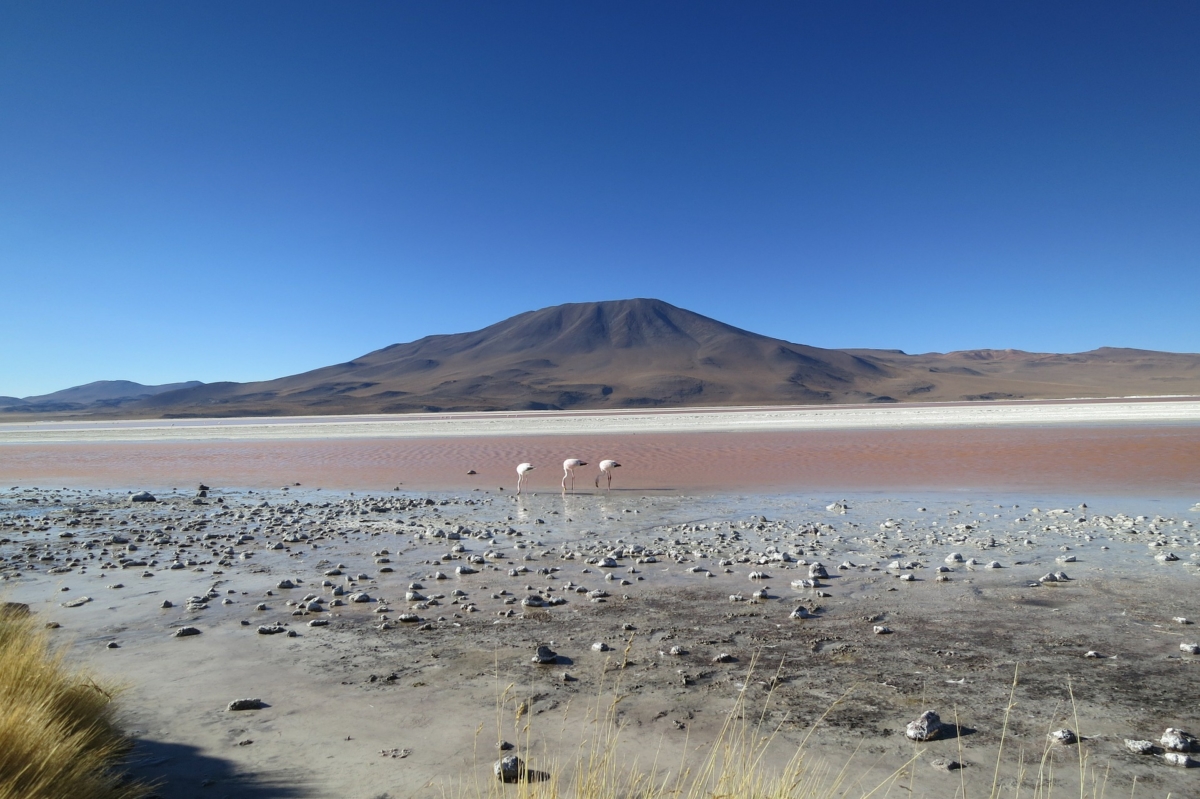

Chile’s desiccated Atacama Desert was once considered a dead zone, but it hides great riches that could help us tackle a major threat to human health.
Staring out across the desolate landscape of Valle de la Luna, the idea seems counter-intuitive.
What could the world’s driest desert, home to some of the most extreme levels of ultraviolet radiation on Earth, have to do with fighting disease? But as Michael Goodfellow, a microbiologist at Newcastle University, explains, the Atacama Desert’s inhospitality is exactly what could make it useful to us.
“The premise was that since the conditions are so harsh in the Atacama Desert, organisms become adapted to those conditions,” he says. Goodfellow hoped that if bacteria had managed to survive in such a hostile environment, they would likely produce novel chemical structures which could have important medical applications.

Credit: iStock, gevende
Read more at BBC…
The post The desert soil that could save lives appeared first on Healthier Environment Living Program.