
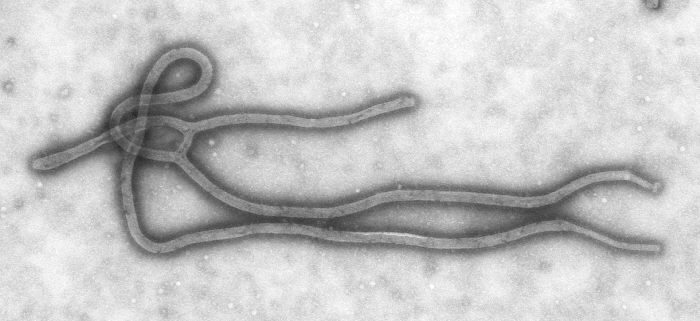
In The Lancet Infectious Disease, Pierre-Stéphane Gsell and colleagues1 present safety and efficacy data on the deployment of the rVSV-ZEBOV vaccine during an outbreak of Ebola virus disease in Guinea, 2016. On March 17, 2016, almost 3 months after Guinea was first declared Ebola virus disease-free, two new cases of Ebola virus disease were confirmed.2 Fortunately, members of the Ebola Ça Suffit! team were meeting in the capital, Conakry. Less than 1 week after the first cases were 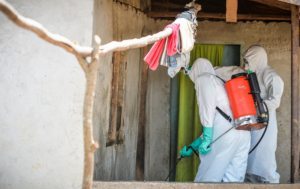 confirmed, the previously trained team members travelled to the epicentre of the flare and began the process of identifying contacts and contacts of contacts for vaccination. An epidemiological investigation quickly defined the chain of transmission, which allowed for focused deployment of the vaccine.3 Contacts and contacts of contacts were identified among transmission rings in five different communities, of which four agreed to participate in the trial. This Article adds substantially to previously published results from the Ebola Ça Suffit! ring vaccination phase 3 trial of the same vaccine, including much needed paediatric data.4, 5
All 1510 eligible people consented to vaccination, among whom 20% were children aged 6–17 years and 20% were front-line workers. 13 people became infected with Ebola virus disease in Guinea and Liberia; however, there were no cases of Ebola virus disease among those participants who were vaccinated. Additionally, there were no cases among the 10% of identified contacts, most of whom were younger than 6 years old and who were ineligible to participate, which suggests that ring vaccination might provide some herd immunity.
Although this study is noteworthy because it provides substantially more safety and efficacy data for the rVSV-EBOV vaccine, it also points out two major hurdles remaining that every Ebola vaccine must overcome in the future, and for the cautionary tale that it provides, one that the international community will hopefully heed. First, the reported adverse event rate in Ebola ça Suffit! was 53·9%, with 98·5% classified as mild to moderate.5 In the present study, the vaccine was better tolerated with only 16% of children and 34% of adults reporting adverse events. With an adverse event rate of up to 50%, social mobilisation efforts to encourage vaccination participation will be challenging in future Ebola outbreaks. How many people refuse the seasonal influenza vaccine each year because they think it gives them the flu? Now imagine a scenario in which people think the vaccine could give them Ebola. This issue leads directly to the vaccine’s second hurdle: misconceptions, rumours, and community resistance. 34% of eligible contacts in Ebola Ça Suffit! refused or withdrew consent.5 In the current study, one affected community refused participation due to mistrust of the Ebola surveillance teams. Community resistance played a prominent part in the spread of Ebola virus during the 2013–15 outbreak.6 A weak public health infrastructure and widespread shortages of health-care workers contributed to fears and misconceptions about an unfamiliar disease with a high mortality. One that is treated in walled-off Ebola treatment units and requires medical burials, denying family members the solace provided by traditional funeral rites. These conditions fuelled rumours, mistrust, and, in some cases, violence. Surveillance, social mobilisation, and vaccination teams trained in distant capitals must seek input and support from local leaders or they risk developing a sense of coercion and distrust.7, 8
The authors and the entire Ebola Ça Suffit! team should be commended for successfully implementing the ring vaccination strategy on such short notice despite these hurdles. In addition to the availability of the vaccine, the success of this strategy is at least partly, if not largely, because of the presence of a well trained team that was in place and ready to go. They were prepared, but will we be in the future? If this vaccine is to be successfully deployed in future outbreaks, we must have teams in place that are fully trained before the outbreak occurs. Teams trained in community engagement, social mobilisation, and infectious disease epidemiology will be needed to successfully enter communities, identify high-risk individuals, and gain the support needed to carry out vaccination campaigns. Preparedness played a large part in Nigeria’s response to the Ebola virus disease outbreak.9 Strengthening of the public health sector, a robust training programme, and previous experience with outbreak response resulted in rapid containment of the outbreak. If the international community hopes to rapidly and effectively deploy a vaccine, such as rVSV-ZEBOV, in the future, we must invest in public health infrastructure and emergency outbreak response systems in high-risk regions now.