
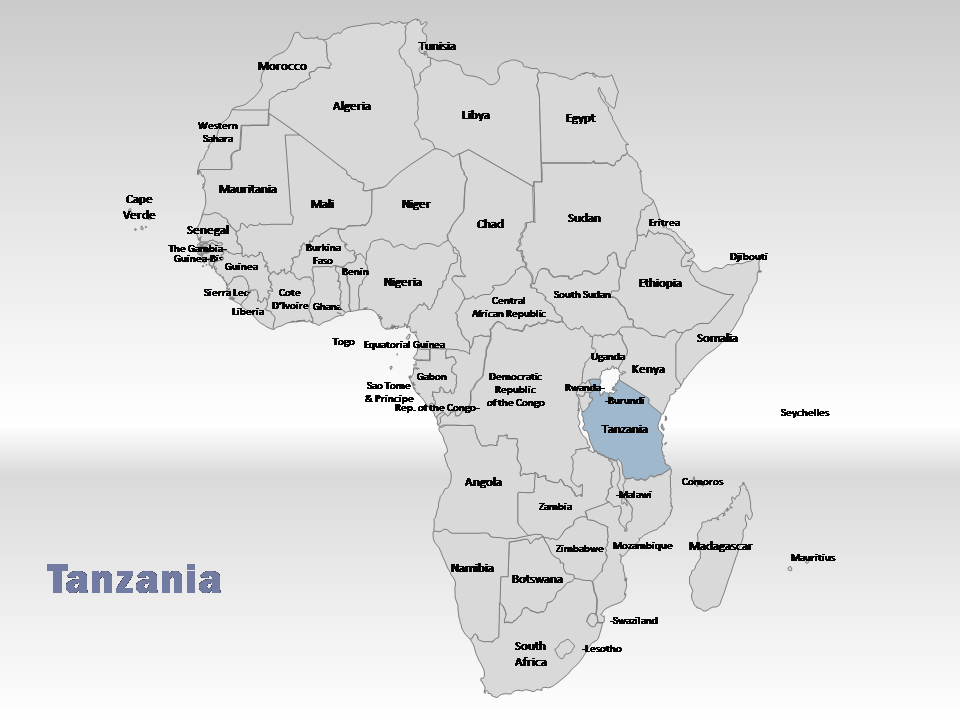
The USAID-funded Challenge TB project in Tanzania is using community-based organizations to find more of the missing TB cases and to help patients cope with long and difficult TB treatment.
 The organizations are based in the regions of Arusha, Kilimanjaro, Geita and Dar es Salaam and focus on increasing TB awareness, changing health-seeking behavior and increasing demand among the general population and high-risk populations for TB care and prevention services. Their activities include active case-finding, contact investigation, collecting and transporting samples for testing, tracing and retrieving patients lost to follow-up, and providing health education. One of the organizations ‘Upendo na Matumaini’ (UMATU) is based in Arusha region, and from July to September 2017, they contributed 34% of the TB cases notified in the district.
In March 2017, UMATU staff visited the home of Mary, who lives in Maliasili in the region of Arusha. They asked her if she knew the symptoms of TB and when she said she didn’t, they told her all about the disease and how it is spread and prevented.
It was then that Mary realized that what she had just learned sounded exactly like the symptoms her two young twins had.
Junior Jackson Yona and Joyce Jackson Yona aged two, had been suffering from a fever and prolonged coughs and Mary’s mother had suffered the same symptoms before she passed away just one-month before. It suddenly dawned on her that her mother had probably had TB and that her twins were also infected, so she asked the team to help.
When the team examined the twins it was immediately obvious that they were malnourished and that they had the classic symptoms of TB, both were so weak they could not even stand let alone walk. Mary had already taken the twins to Karatu district health facility twice before, but both times they had been diagnosed with pneumonia and the treatment had not helped.
They accompanied the family to Karatu health facility, where the district TB coordinator diagnosed them with TB and they were immediately started on a 6-month treatment regimen and given nutritional support to boost their weight and strength.
After six months of treatment, they were declared cured, and their general health had also improved tremendously, Jackson had gained 4 kg and Joyce 3 kg. Two months after that they not only look healthy, they can also walk again.
Bringing education and active case finding to the community is an important way to find the TB cases missed by the health system. The more people who know about the disease and the more people who are looking for it, the sooner we can find, treat and cure people, meaning there are fewer opportunities for the disease to spread.
For more information on Challenge TB visit www.challengetb.org