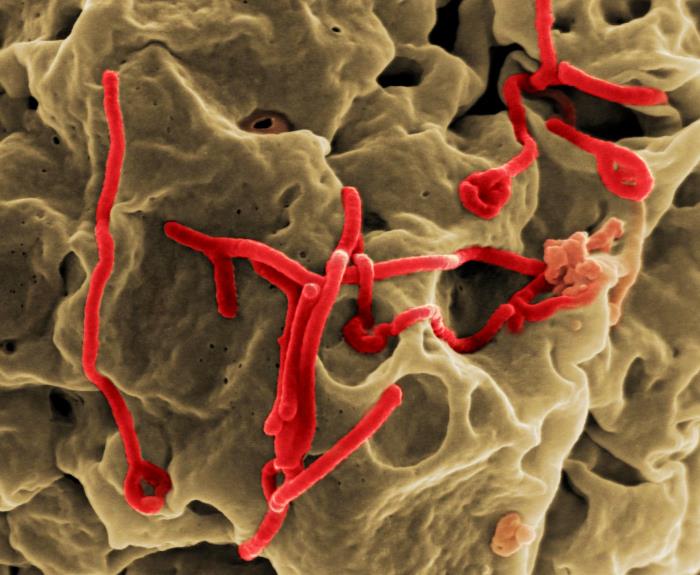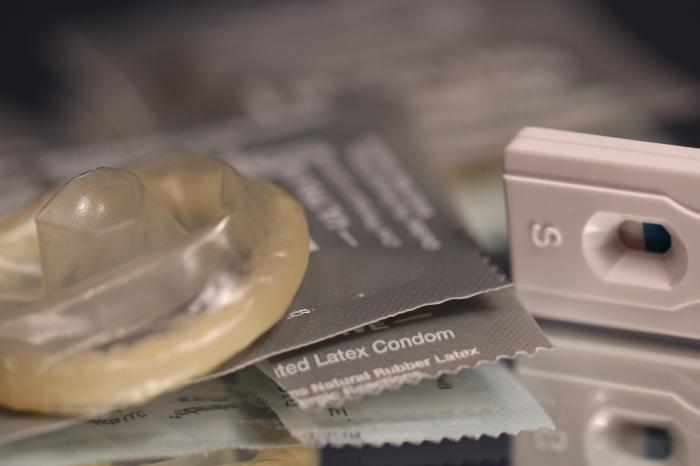
Response plan to control and manage the threat of multiand extensively drug-resistant gonorrhoea in Europe

By |2019-10-11T07:00:00+00:00October 11th, 2019|

Background With 89 239 cases, gonorrhoea was the second most commonly reported bacterial sexually transmitted infection (STI) in European Union/European Economic Area (EU/EEA) in 2017. Gonorrhoea is a serious public health problem as untreated infections may lead to severe secondary sequelae, including pelvic inflammatory disease, first-trimester miscarriages, ectopic pregnancy and infertility [1]. N. infections also [...]

http://www.cidrap.umn.edu/news-perspective/2019/10/response-resumes-following-security-problems-drc-ebola-hot-spot

By |2019-10-11T06:59:52+00:00October 11th, 2019|

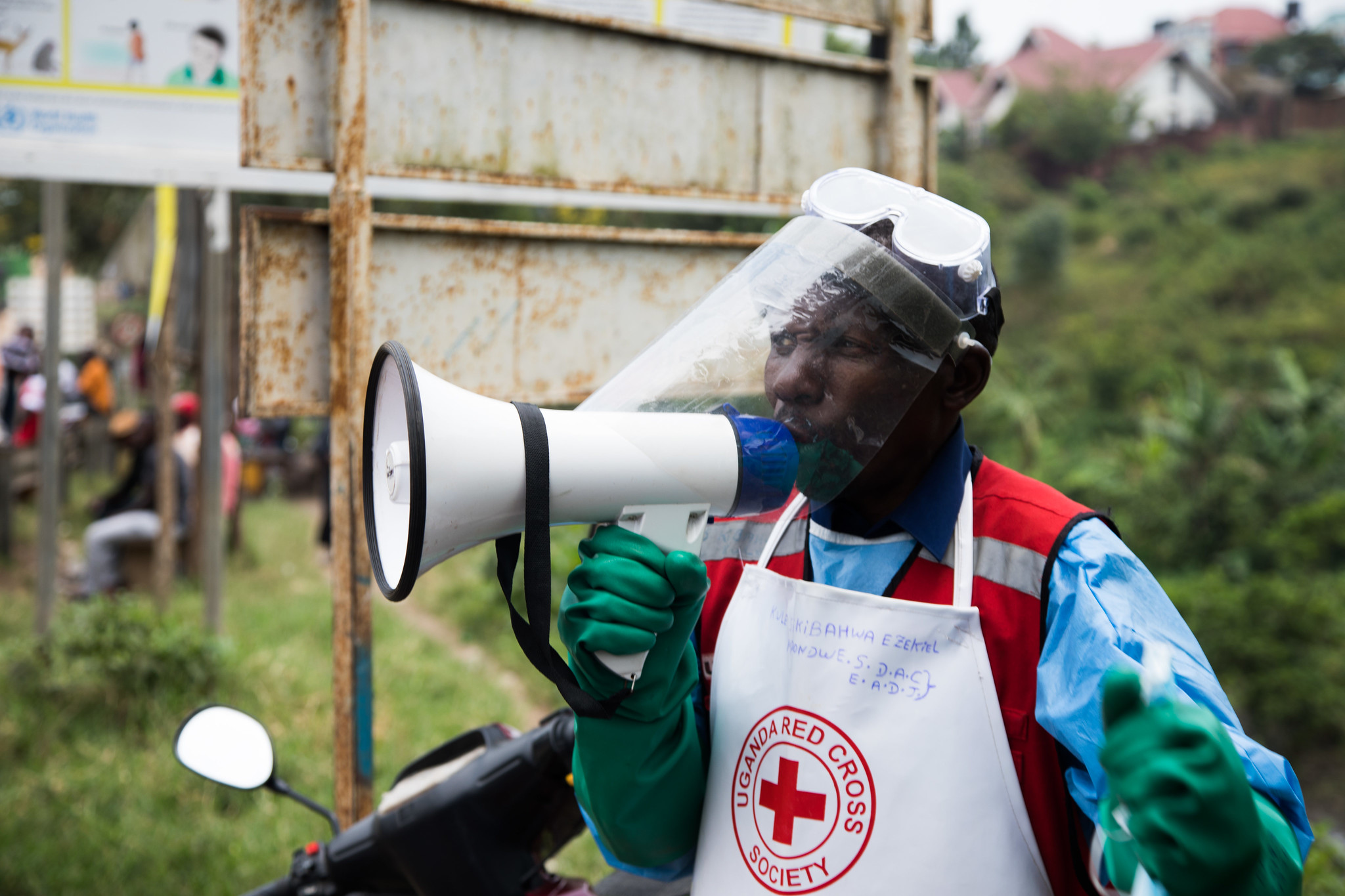
  Response activities that stalled for more than 2 weeks in one of the Democratic Republic of the Congo’s (DRC’s) Ebola hot spots due to security issues has resumed on a limited basis, the World Health Organization (WHO) said yesterday in its latest situation report on the outbreak. The WHO said though the decline in [...]

Pollutionwatch: wood burning is not climate friendly

By |2019-10-09T06:15:42+00:00October 9th, 2019|

With snow on the ground, many people will have been huddling around a wood fire, but researchers are questioning if wood burning is really climate neutral. Burning wood is not CO2 free; it releases carbon, stored over the previous decades, in one quick burst. For an equal amount of heat or electricity, it releases more CO2 than burning [...]

Association between maternal serious mental illness and adverse birth outcomes

By |2019-10-09T06:15:40+00:00October 9th, 2019|

Abstract Objective: To evaluate the contribution of serious mental illness (SMI), and specific risk factors (comorbidities and substance use) to the risk of adverse birth outcomes.  Study design: This cross-sectional study uses maternal delivery records in the Healthcare Cost and Utilization Project Nationwide/National Inpatient Sample (HCUP-NIS) to estimate risk factor prevalence and relative risk of [...]

Night Shifts Scramble Brain’s Control of Immune Cell Clock Genes to Impact on Gut Health

By |2019-10-09T06:15:32+00:00October 9th, 2019|

It is well recognized that people who work night shifts, or who travel across time zones frequently, are more likely to become overweight or to suffer from gut inflammation. There has been considerable research aimed at trying to understand the underlying mechanisms that link the brain’s circadian clock, which acts in response to the daylight [...]

Researchers highlight serious side effects of unneeded dental antibiotics

By |2019-10-08T04:38:58+00:00October 8th, 2019|

New research presented yesterday at IDWeek 2019 indicates that nearly 4% of the patients given antibiotics unnecessarily before dental procedures experience serious adverse events, including allergic reactions and emergency room visits. The findings are a follow-up to a study published in May that found that nearly 81% of antibiotics prescribed before dental procedures are unnecessary. [...]

WHO notes Ebola shift to rural areas, posing new challenges

By |2019-10-08T04:38:52+00:00October 8th, 2019|

In its latest snapshot of the Democratic Republic of the Congo (DRC) Ebola outbreak, the World Health Organization (WHO) said there’s a clear shift away from densely populated urban areas toward sparsely populated rural areas. And in other developments, Tanzanian health officials again denied covering up Ebola cases, Hong Kong health officials have isolated a [...]

Legionella bacteria detected at MSU

By |2019-10-08T04:38:45+00:00October 8th, 2019|

EAST LANSING, MI. (WILX) — The bacteria that causes Legionnaires’ disease has been detected on Michigan State University’s campus. MSU officials confirmed levels of Legionella bacteria were detected Thursday at the university’s Veterinary Diagnostic Laboratory. As of 4 p.m. Friday, there were no cases of humans or animals infected with the bacteria or disease, MSU spokeswoman [...]

Hand hygiene and surface cleaning should be paired for prevention of fomite transmission

By |2019-10-08T04:38:34+00:00October 8th, 2019|

Abstract Touching contaminated surfaces might lead to the spread of pathogens, i.e. the fomite transmission route. Although hand and surface hygiene practises are potentially important non‐pharmaceutical interventions for the fomite route, the two interventions have been mostly studied separately in the literature. Read more… The post Hand hygiene and surface cleaning should be paired for [...]

Mobile phones as fomites for potential pathogens in hospitals: microbiome analysis reveals hidden contaminants.

By |2019-10-08T03:19:26+00:00October 8th, 2019|

Structured Summary Background Smartphones used in clinical settings harbour potentially pathogenic bacteria, and this may pose an infection risk. Previous studies have relied on culture-based methods. Aim To characterize the quantity and diversity of microbial contamination of hospital staff smartphones using culture-dependent and culture-independent methods. To determine the prevalence of antibiotic resistant potential pathogens. To [...]

Go to Top