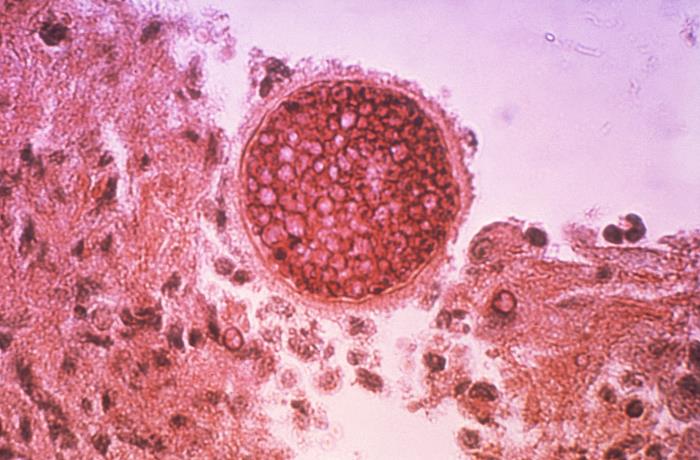
Public Health England announces a sixth death linked with Listeria outbreak

By |2019-08-02T18:00:27+00:00August 2nd, 2019|

The multi-agency team investigating cases of listeriosis linked to sandwiches and salads has confirmed that, since the last update, there has been another death linked to this outbreak, bringing the total number of deaths linked to this outbreak to six . The individual who sadly died was one of the 9 previously confirmed cases. The [...]
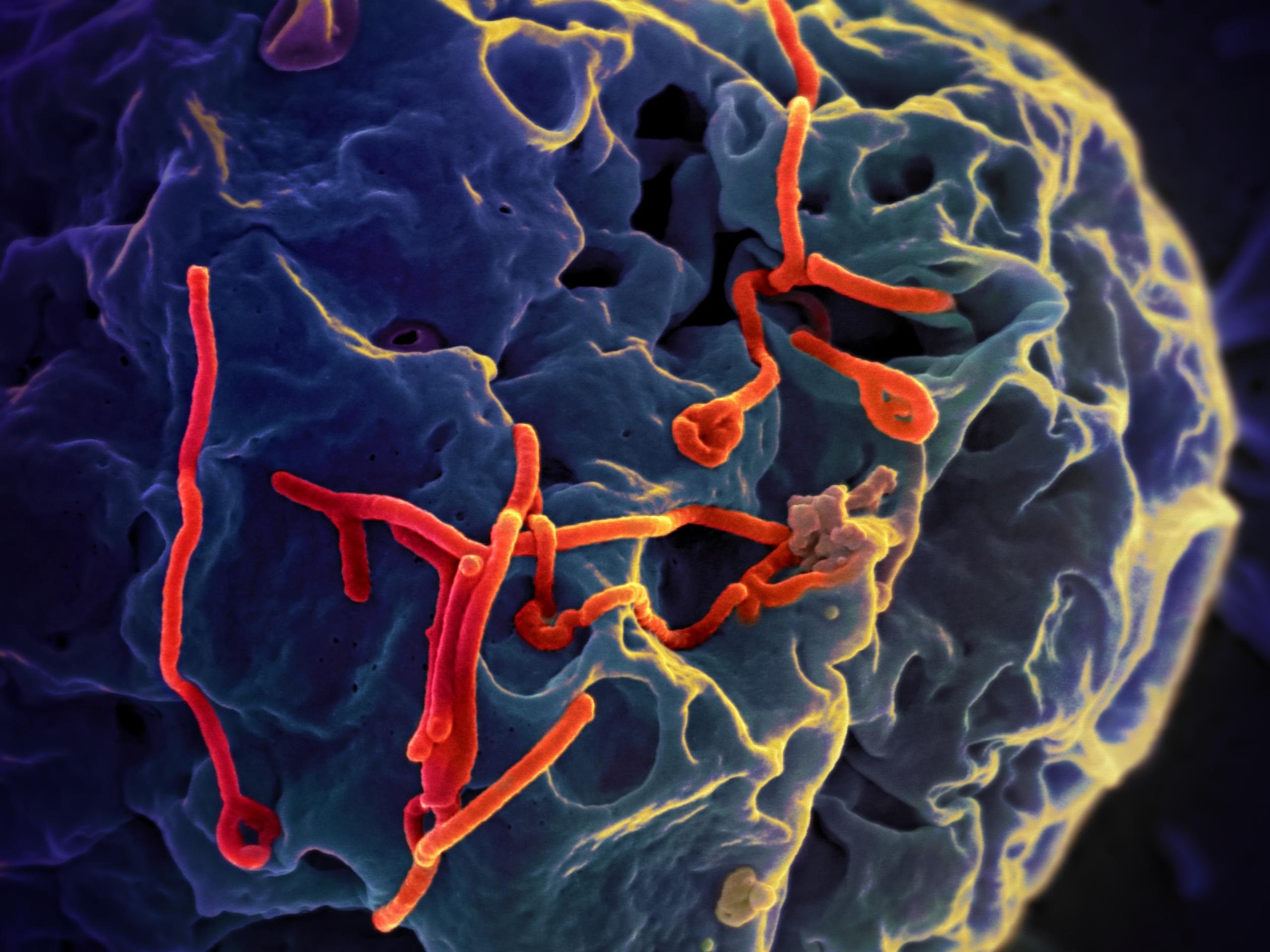

One Year of Ebola in DRC: What Makes the North Kivu Province Outbreak Distinct?

By |2019-08-02T18:00:14+00:00August 2nd, 2019|

Krutika Kuppalli, MD, is no stranger to Ebola. Kuppalli, the incoming vice chair of the Infectious Diseases Society of America’s Global Health Committee, served as medical director of the Ebola Treatment Unit of the Port Loko Government Hospital in Sierra Leone from 2014 to 2015. As the Ebola outbreak in the Democratic Republic of the Congo [...]

Impact of short-term exposure to fine particulate matter air pollution on urinary metabolome: A randomized, double-blind, crossover trial

By |2019-08-02T17:59:56+00:00August 2nd, 2019|

Highlights •    Limited evidence on exploration of PM2.5 effects with urine metabolomics approach •    We designed a randomized, double-blind, crossover trial of air purifiers. •    We identified 16 lipids, 5 purines, 2 neurotransmitters, and 3 coenzymes. •    PM2.5 results in energy metabolism perturbation, oxidative stress and inflammation.   Image by Ewa Urban from [...]

Can You Prevent Atherosclerosis with Vitamin K2?

By |2019-08-01T17:49:30+00:00August 1st, 2019|

It is possible to prevent atherosclerosis. The most important nutrient that reduces the risk of hardening or atherosclerosis of the arteries is the nutrient vitamin K2.  When you are healthy, your arteries and all blood vessels are flexible, responsive and dynamic. You can still help prevent atherosclerosis at this stage with adequate nutrition and vitamin [...]

Valley fever

By |2019-08-01T17:49:23+00:00August 1st, 2019|

Overview Valley fever is a fungal infection caused by coccidioides (kok-sid-e-OY-deze) organisms. It can cause fever, chest pain and coughing, among other signs and symptoms. Two species of coccidioides fungi cause valley fever. These fungi are commonly found in soil in specific regions. The fungi’s spores can be stirred into the air by anything that [...]

A Digital Diabetes Prevention Program (Transform) for Adults With Prediabetes: Secondary Analysis

By |2019-08-01T17:49:19+00:00August 1st, 2019|

ABSTRACT Background: The prevalence of diabetes is increasing among adults globally. Research has demonstrated that a diabetes prevention program (DPP), which focuses on developing and maintaining health-promoting lifestyle modifications, can prevent or delay the onset of type 2 diabetes among at-risk individuals. The implementation of a digitally adapted DPP has the potential to prevent prediabetes on [...]

Understanding Pregnancy and Postpartum Health Using Ecological Momentary Assessment and Mobile Technology: Protocol for the Postpartum Mothers Mobile Study

By |2019-08-01T17:49:10+00:00August 1st, 2019|

ABSTRACT Background: There are significant racial disparities in pregnancy and postpartum health outcomes, including postpartum weight retention and cardiometabolic risk. These racial disparities are a result of a complex interplay between contextual, environmental, behavioral, and psychosocial factors.   Credit: iStock, Goldmund Read more… The post Understanding Pregnancy and Postpartum Health Using Ecological Momentary Assessment and Mobile [...]

Revisited: Assessing the in vivo data on low/no-calorie sweeteners and the gut microbiota

By |2019-08-01T17:48:59+00:00August 1st, 2019|

Abstract Over the last two decades, safety concerns about low/no-calorie sweeteners (LNCS) have been described in the archival scientific literature including elevated risk of metabolic syndrome, type 2 diabetes, excessive weight gain, cardiovascular disease, safety, and disruption of the gut microbiome. A recent review by Lobach, Roberts, and Roland in Food and Chemical Toxicology examined [...]

Scientists uncover how airborne particles can exaggerate airway inflammation

By |2019-08-01T17:48:54+00:00August 1st, 2019|

An international team of scientists have observed a previously unclear inflammatory mechanism caused by airborne particles that can worsen asthma symptoms, it has been reported in Toxicological Sciences. As the world gets more and more industrialized, the risk of developing respiratory diseases increases. Very small particles released from industry and vehicle fumes are harmful to our [...]

Go to Top