
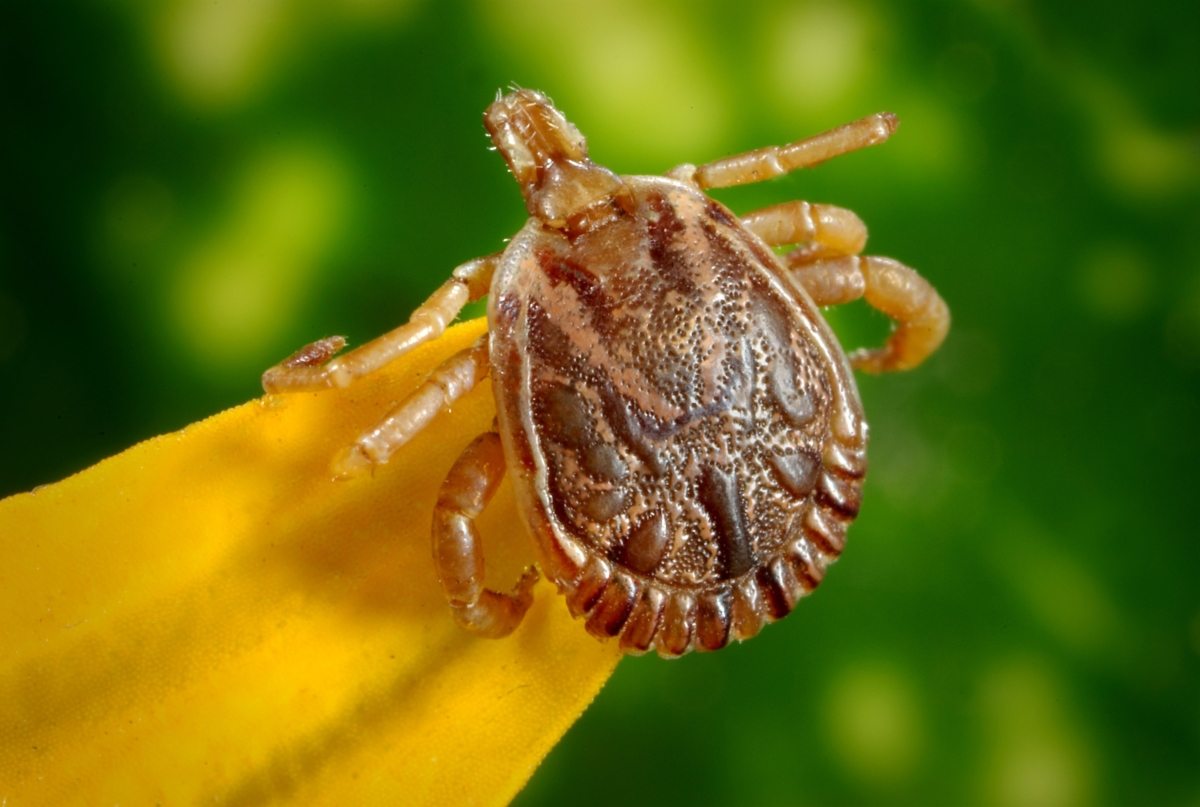
The Centers for Disease Control and Prevention reported a record increase in tickborne diseases from 2016 to 2017.
In 2016, there were 48,610 cases of Lyme disease, anaplasmosis/ehrlichiosis, spotted fever rickettsiosis including Rocky Mountain spotted fever, babesiosis, tularemia and Powassan virus disease, the CDC said. In 2017, there were 59,349 cases — a 22 percent increase.
Tickborne diseases reported in the United States have steadily been on the rise since 2004.
From 2004 to 2016, the number of reported cases doubled, and researchers discovered seven new tickborne pathogens that infect people, the CDC said.
The reason for the increase isn’t clear, but CDC officials said several things can affect tick numbers each year, including temperature, rainfall, humidity and host populations such as mice and other animals.
The CDC said tick densities in any year vary by region, state and county, and the numbers of reported disease cases are affected by health care provider awareness, testing and reporting practices. During any given year, people may or may not notice changes in tick populations depending on the amount of time they or their pets spend outdoors, CDC officials said.
The public can protect themselves from ticks by doing the following things:
• Use Environmental Protection Agency-registered insect repellents containing DEET, picaridin, IR3535, oil of lemon eucalyptus (OLE), para-menthane-diol (PMD), or 2-undecanone.
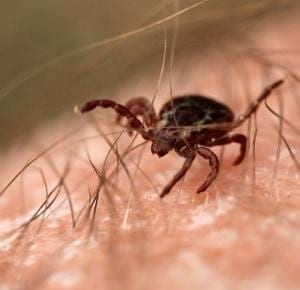
Dann Thombs / Flickr cc
• Treat clothing and gear with products containing 0.5 percent permethrin. Permethrin can be used to treat boots, clothing and camping gear, and it remains protective through several washings. People can also buy permethrin-treated clothing and gear.
• Check your body and clothing for ticks upon returning from potentially tick-infested areas, including your backyard. Use a hand-held or full-length mirror to view all parts of your body. Place tick-infested clothes in a dryer on high heat for at least 10 minutes to kill ticks on dry clothing after you come indoors.
• Shower soon after being outdoors. Showering within two hours of coming indoors has been shown to reduce your risk of getting Lyme disease and may be effective in reducing the risk of other tickborne diseases. Showering may help wash off unattached ticks and is a good time to do a tick check.