

Introduction
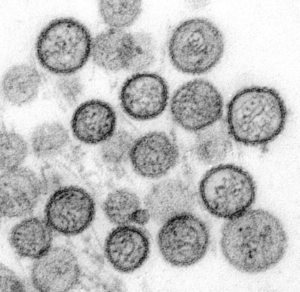
Hantaviruses are a diverse group of small mammal-associated viruses with a worldwide distribution. Depending on whether human infections are caused by New- or Old- World hantaviruses, the disease is characterised by different clinical pictures and described as Hantavirus (Cardio-)Pulmonary Syndrome (HPS/HCPS) in the Americas and Haemorrhagic Fever with Renal Syndrome (HFRS) on other continents. Sometimes the term Nephropathia epidemica (NE) is used to describe the epidemic occurrence of renal disease without haemorrhagic symptoms that are linked to infections with strains occurring in the northern and central part of Europe, specifically Puumala virus (PUUV). In clinical practice, syndromes are not always as clear cut as their names suggest and pulmonary and renal complications can also occur in HFRS and HPS/HCPS, respectively [1–3].
 Read more at ecdc…
The post Molecular and epidemiological characteristics of human Puumala and Dobrava-Belgrade hantavirus infections, Germany, 2001 to 2017 appeared first on Healthier Environment Living Program.