Abstract
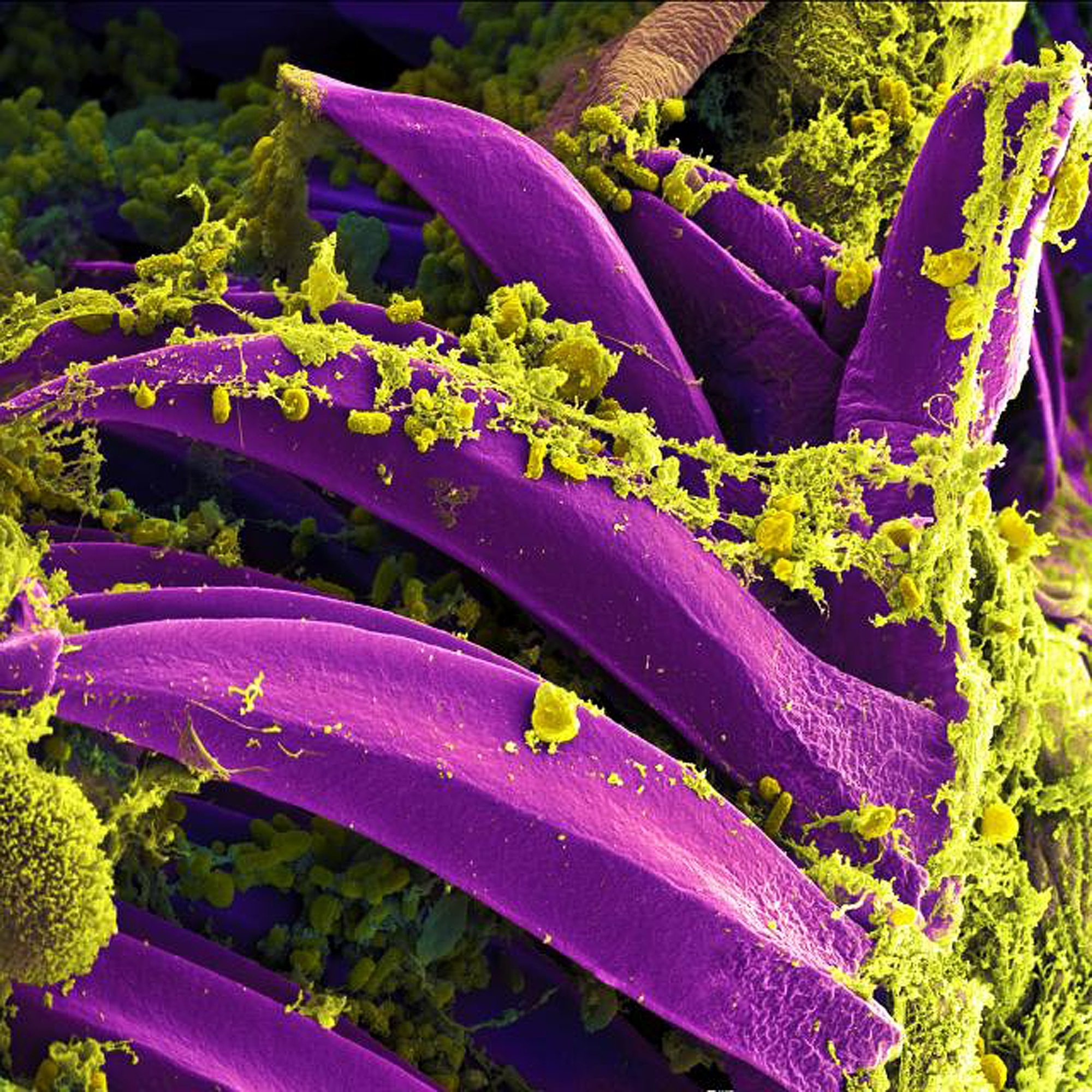
The present study was performed to assess the infection of rodent reservoirs and their fleas to plaque
agent (Yersinia pestis) in Kurdistan and North Khorasan respectively as active endemic and inactive nonendemic
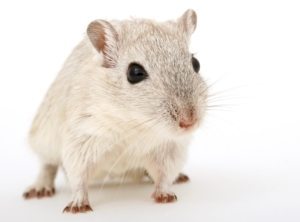 foci in the country. Live traps were used to collect rodents in spring and summer 2015. Totally,
109 rodents were trapped. Rodents of genus Apodemus witherbyi (40.5%) were the most abundant
species in Kurdistan whereas Meriones persicus was the only species found in North Khorasan. Meriones
spp constituted 12% of the trapped rodents in Kurdistan. 105 fleas were collected, of which 53(50.5%)
were Xenopsylla buxtoni. The results of assays of rodent and flea specimens were negative for plague
agent. Since rodents of Meriones spp and Apodemus spp and fleas of Xenopsylla spp in turn are the
known reservoirs and vectors for plague in Iran, there is a real potential for the reemerging of plague
disease in the studied areas.
