
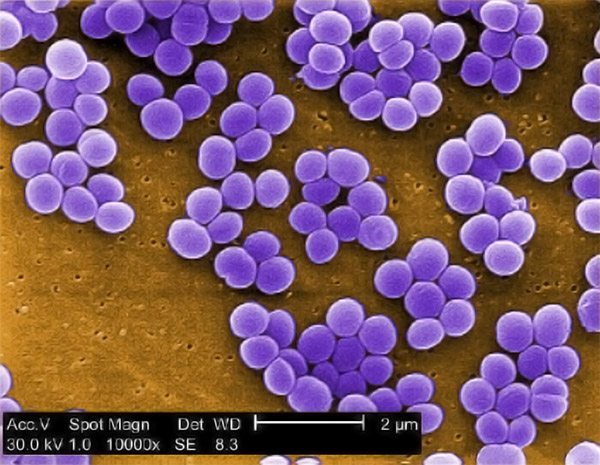
The emergence of multidrug-resistant pathogens that are difficult, and sometimes impossible, to treat is becoming a global concern for human and domestic animal health [1,2]. Extended-spectrum β-lactamase (ESBL)-producing Enterobacteriaceae (ESBL-E), carbapenem-resistant Enterobacteriaceae (CRE) and meticillin-resistant (MR) Staphylococcus aureus (MRSA) are recognised as a threat to healthcare and patient safety [1]. One of the most recently described carbapenemase genes, the New Delhi metallo-β-lactamase-1 (NDM-1) gene, is located on self-transmissible plasmids that carry several additional antimicrobial resistance genes, which makes NDM-1 a challenge for public health [3]. The role of urban wildlife as reservoirs and/or vectors of antimicrobial resistance (AMR) is poorly understood. Not only do they provide a biological mechanism for the spread of AMR genes [4], they are also considered sentinels of environmental pollution by antimicrobial-resistant bacteria [5].
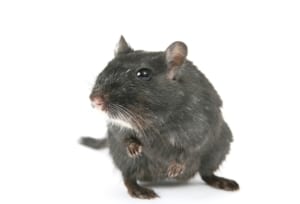
Image by Robert-Owen-Wahl from Pixabay
Read more at ECDC…
The post Urban brown rats (Rattus norvegicus) as possible source of multidrug-resistant Enterobacteriaceae and meticillin-resistant Staphylococcus spp., Vienna, Austria, 2016 and 2017 appeared first on Healthier Environment Living Program.