
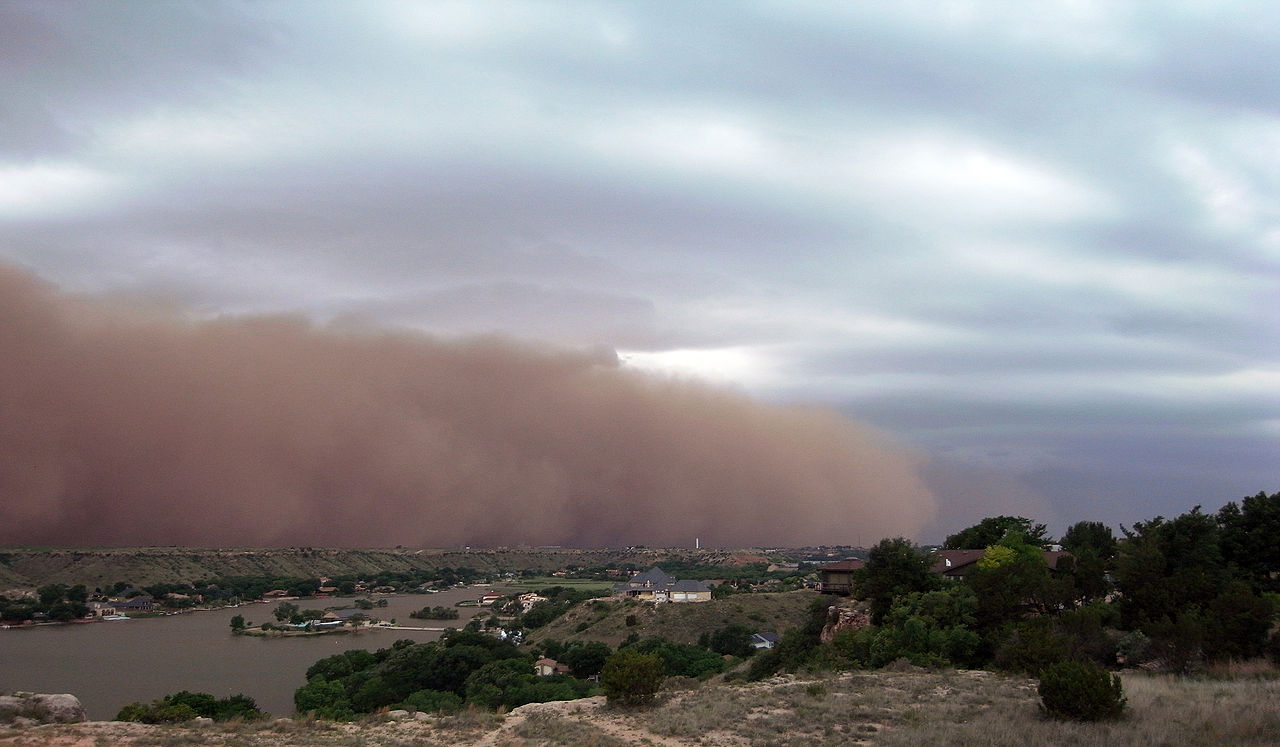
Climate change will increase the range of Valley fever.
The vast majority of the 10,000 cases of Valley fever diagnosed in the United States each year occur in Arizona and California. In those two states, the environment and weather—a dry desert with rainy seasons —create the conditions that the Coccidioides fungus, which causes the illness, needs to survive and thrive.
But as the climate changes, temperatures will increase and rain patterns will change—and along with those changes, by 2100, the fungus’s range will expand causing the number of Valley fever cases to increase by 50 percent, according to a new model published in the journal, GeoHealth. Right now, the fungus is restricted by rain and temperature to its current territory, but climate change will lift some of those environmental barriers.
 Read more…
Photo credit: Leaflet [CC BY-SA 3.0 (https://creativecommons.org/licenses/by-sa/3.0)], from Wikimedia Commons
The post This deadly fungal disease could use climate change to mobilize appeared first on Healthier Environment Living Program.